

Mobile Apps: How They Are Changing the Way Businesses Connect With Customers
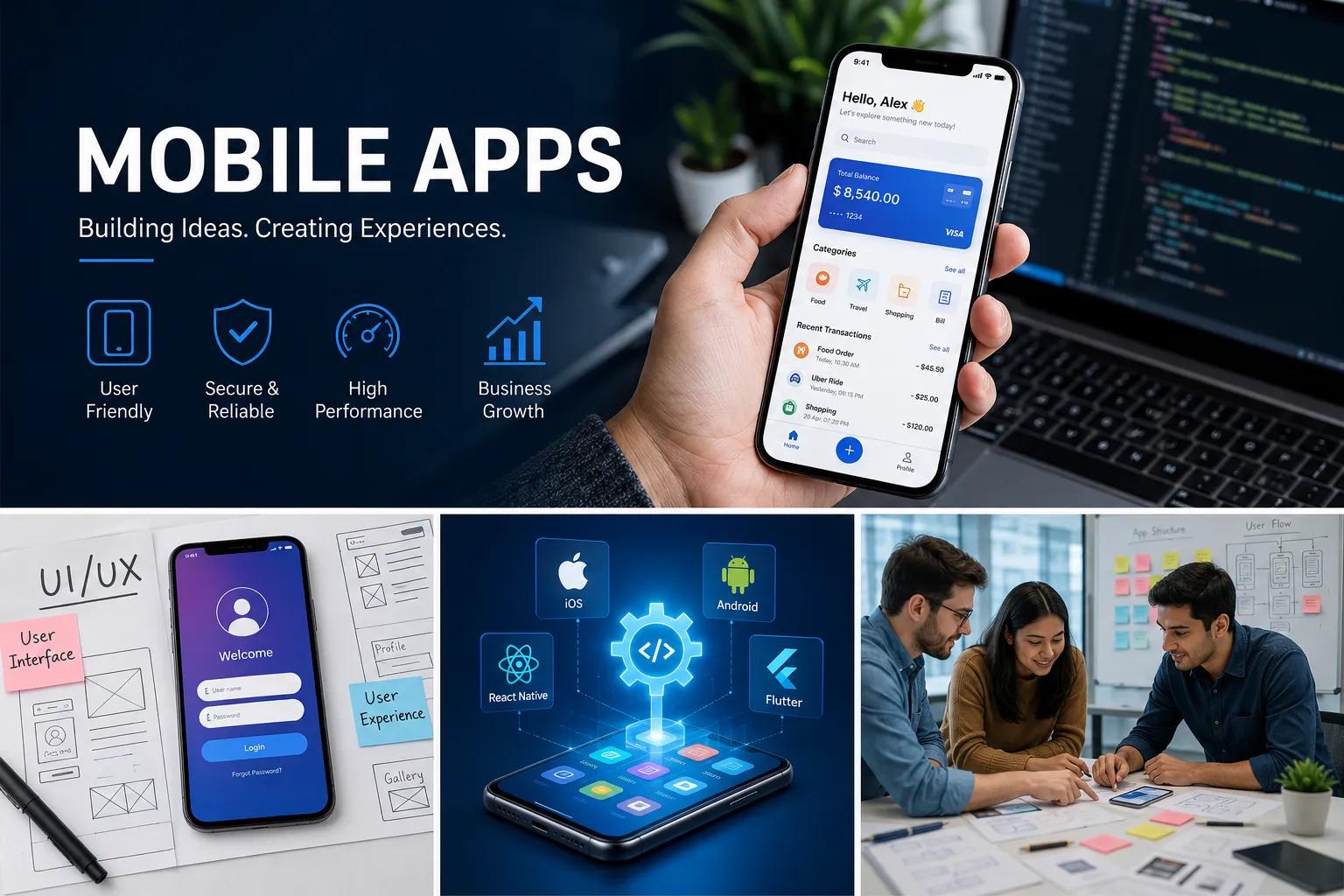
Mobile apps have become an important part of everyday life. From ordering food and booking appointments to shopping online, managing finances, attending classes, and communicating with businesses, people now expect quick and convenient digital experiences. For businesses, this change has created a valuable opportunity to build stronger relationships with customers through mobile technology.
A well-designed mobile application can do much more than provide information. It can make services easier to access, improve customer engagement, simplify business operations, and create new ways to generate revenue. Whether a business is a startup, an established company, or an expanding online brand, a mobile app can become an important part of its digital strategy.
But creating a successful app is not simply about putting a website onto a smartphone. It requires thoughtful planning, user-friendly design, reliable technology, strong security, and continuous improvement.
Why Mobile Apps Matter for Modern Businesses
Smartphones are always within reach, which makes mobile applications a direct communication channel between businesses and their customers. Unlike traditional websites, apps can provide personalized experiences and interact with users through features such as notifications, location services, camera access, payments, and account management.
For example, a retail business can use an app to offer personalized product recommendations and loyalty rewards. A healthcare business can allow users to book appointments, receive reminders, and access important information. A service-based company can make it easier for customers to request services and track their orders..
If your business has a mobile app idea, working with an experienced Mobile App Development Company in the USA can help transform that idea into a reliable and user-friendly digital product. With the right planning and technology, a mobile app can become more than another digital channel; it can become an important part of how your business serves customers and grows in a competitive market.
What Makes a Mobile App Successful?
A successful mobile application is not defined only by how attractive it looks. The real value comes from how effectively it solves a problem for its users.
Several elements contribute to a strong mobile app.
Simple User Experience
Users should not have to spend time figuring out how an app works. Navigation should be clear, buttons should be easy to find, and important actions should require as few steps as possible.
A simple interface can reduce frustration and help users complete tasks quickly. This is especially important for apps where customers frequently perform the same actions, such as placing orders, making bookings, or checking account information.
Fast Performance
People expect mobile apps to respond quickly. Slow loading screens, crashes, and delayed actions can cause users to leave the application.
Developers need to consider performance from the beginning of the project. Efficient coding, optimized images, appropriate data management, and reliable backend infrastructure can help create a smoother experience.
Strong Security
Mobile apps often handle sensitive information, including personal details, payment information, addresses, and account credentials. Security therefore needs to be considered throughout the development process.
Secure authentication, data encryption, safe payment integration, regular updates, and proper access controls can help protect users and businesses from unnecessary risks.
Mobile Apps Can Improve Customer Engagement
One of the biggest advantages of mobile applications is the ability to maintain regular communication with customers.
Push notifications can be used to share useful updates, promotional offers, order information, reminders, or personalized recommendations. However, businesses should avoid sending unnecessary notifications because excessive messaging can encourage users to disable notifications or uninstall the app.
The best approach is to provide information that is relevant and useful.
Mobile apps can also support loyalty programmes, reward systems, personalized offers, in-app communication, and customer feedback. These features can make customers feel more connected to a business while encouraging repeat interactions.
Different Types of Mobile Apps Businesses Can Build
There is no single type of mobile application that works for every business. The right solution depends on the company's goals, customers, industry, and available resources.
E-commerce Apps
Online stores can use mobile apps to create a faster and more personalized shopping experience. Features may include product browsing, search, wish lists, secure payments, order tracking, discounts, and loyalty rewards.
Healthcare Apps
Healthcare applications can simplify appointment booking, patient communication, reminders, teleconsultations, and access to health-related information. They can make certain services more convenient for both providers and patients.
Education Apps
Educational applications can support online classes, learning materials, quizzes, progress tracking, and communication between students and educators. They can make learning accessible from almost anywhere.
Finance Apps
Banking and financial applications allow users to manage accounts, transfer money, review transactions, make payments, and access financial services through their smartphones. Because these apps handle sensitive information, security and reliability are particularly important.
On-Demand Service Apps
Businesses offering delivery, transportation, home services, repairs, or bookings can use apps to connect customers with services quickly. Real-time updates, location tracking, scheduling, and payment features can improve the overall experience.
Native vs Cross-Platform Mobile Development
Businesses often need to decide how their application should be developed. Two common approaches are native and cross-platform development.
Native apps are developed specifically for a particular operating system, such as Android or iOS. They can provide strong performance and access to platform-specific features.
Cross-platform development allows developers to create applications that work across multiple platforms using a shared development approach. This can reduce development time and make maintenance easier in certain situations.
The right choice depends on the application's complexity, performance requirements, target audience, budget, and long-term plans. A professional development team can help businesses evaluate these factors before development begins.
The Mobile App Development Process
Creating a mobile application usually involves several stages. Proper planning at each stage can reduce development problems later.
1. Idea and Requirement Planning
The first step is to define what the app should accomplish. Businesses need to identify their target users, core features, business goals, and expected outcomes.
A clear project scope helps prevent unnecessary features from making the application complicated or expensive.
2. UI and UX Design
Once the requirements are established, designers create the user experience and visual structure of the application. Wireframes and prototypes can help demonstrate how users will move through different screens.
The goal is to make the application attractive while keeping it practical and easy to use.
3. Development
Developers then build the application and connect it with the required backend systems, databases, APIs, payment gateways, or third-party services.
This stage transforms the design concept into a working product.
4. Testing
Testing is an essential part of development. The application should be checked across different devices, screen sizes, operating systems, and network conditions.
Testing can identify problems involving performance, navigation, security, compatibility, and functionality before the app reaches customers.
5. Launch
After testing and final improvements, the application can be prepared for publication on the relevant app stores. This stage may include app descriptions, screenshots, icons, privacy information, and store compliance requirements.
6. Maintenance and Updates
Launching an app is not the end of development. Operating systems change, user expectations evolve, and new security requirements appear.
Regular maintenance helps keep an application secure, compatible, and useful. Businesses can also analyse user behaviour and feedback to decide which improvements should be introduced in future updates.
Choosing the Right Development Partner
Selecting the right development partner can have a major impact on the quality of the final application. Businesses should look beyond development costs and consider technical experience, communication, project management, testing processes, security practices, and post-launch support.
A reliable development partner should take time to understand the business rather than simply building a list of requested features. The team should also be able to explain technical decisions in a clear and understandable way.
For businesses looking for professional application development support, Webtrack Technologies can help turn mobile app ideas into practical digital solutions designed around specific business requirements.
What to Consider Before Building a Mobile App
Before starting development, businesses should answer a few important questions:
Who will use the application?
What problem will the app solve?
Which features are essential for the first version?
Which platforms should be supported?
How will users create accounts and make payments?
What information needs to be protected?
How will the app generate revenue or support business goals?
How will performance and user feedback be measured?
Answering these questions early can create a clearer development roadmap and reduce unnecessary changes during the project.
FAQs About Mobile Apps
Q1. How long does it take to develop a mobile app?
A. The timeline depends on the application's features, design complexity, integrations, platforms, and testing requirements. A basic application may take less time than a complex platform involving payments, real-time tracking, or advanced backend systems.
Q2. How much does mobile app development cost?
A. There is no fixed price for every application. Cost depends on the number of features, design requirements, technology, integrations, security needs, and development time. A detailed project assessment can provide a more realistic estimate.
Q3. Should my business build an Android or iOS app?
A. The decision depends on the target audience and business objectives. If customers use both platforms, developing for both may be beneficial. Businesses can also start with one platform and expand later based on demand.
Q4. Can a mobile app connect with an existing website?
A. Yes. A mobile application can often connect with an existing website, database, CRM, payment system, or other business software through APIs and backend services.
Q5. Does a mobile app need regular updates?
A. Yes. Regular updates can improve security, compatibility, performance, and functionality. Updates also provide an opportunity to introduce new features based on customer feedback.
Final Thoughts
Mobile applications are no longer limited to large technology companies. Businesses across different industries can use them to provide faster services, improve customer relationships, simplify operations, and create new opportunities for growth.
The most effective apps are built around real customer needs rather than unnecessary features. A clear strategy, intuitive design, reliable development, strong security, thorough testing, and continuous improvement can make a significant difference to the final result.